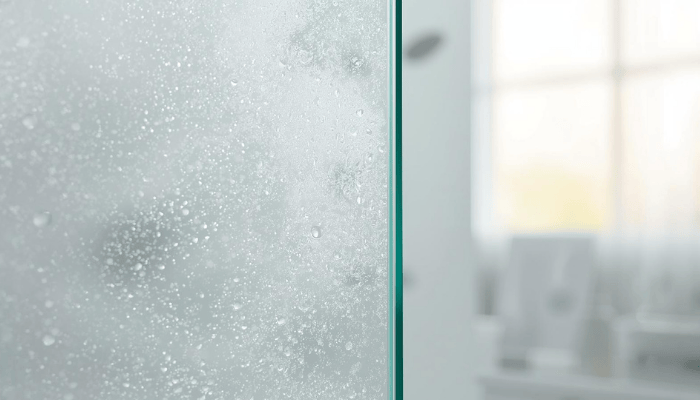
You clean your shower doors. You dry them off. And three days later, those hazy white spots are back.
If this sounds familiar, your water — not your cleaning habits — is the real problem. Hard water leaves behind calcium and magnesium mineral deposits every time it evaporates off a glass surface. Over time, those deposits build up into the stubborn, cloudy film that no amount of Windex seems to fix.
The good news: this is completely preventable. Here’s exactly how.
What Causes Hard Water Stains on Glass?
Hard water contains dissolved minerals — primarily calcium and magnesium — picked up as groundwater moves through rock and soil. When hard water lands on a glass surface and evaporates, it leaves those minerals behind as a white or cloudy residue. The higher your water hardness level, the faster and more severe the buildup.
Common places you’ll notice it:
- Shower doors and glass enclosures
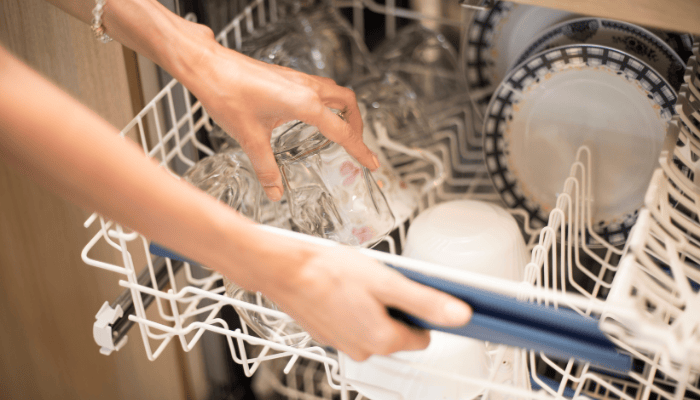
- Drinking glasses and wine glasses (especially after the dishwasher)
- Glass cooktops and oven doors
- Windows near sprinkler systems
- Aquarium glass
- Glass vases and decorative pieces
The longer deposits sit, the harder they bond to the glass surface — which is why prevention is far easier than removal.
Not sure how hard your water is? Get a free water test from WaterCure USA and find out exactly what’s in your water.
How to Prevent Hard Water Stains on Glass
1. Install a water softener
This is the only permanent solution. A whole-home water softener removes calcium and magnesium ions from your water supply before they reach your fixtures, appliances, or glassware. No minerals in the water means no mineral deposits on your glass — period.
Water softeners work through a process called ion exchange: hard mineral ions are swapped for sodium ions as water passes through a resin tank. The result is softened water that won’t leave spots, scale, or buildup anywhere in your home.
Beyond protecting your glass, softened water also:
- Extends the life of your dishwasher, washing machine, and water heater
- Reduces soap scum on shower walls and tubs
- Makes your skin and hair feel softer after showering
- Lowers your cleaning time and product use significantly
If you’re tired of fighting hard water stains on every glass surface in your home, a water softener eliminates the problem at the source. Contact WaterCure USA to find the right system for your home.
2. Apply a glass sealant or water repellent
If a water softener isn’t in the cards right now, a hydrophobic glass sealant is your next best line of defense. Products like Rain-X or dedicated shower glass coatings create a protective barrier on the glass surface that causes water to bead up and roll off rather than sit and evaporate.
How to apply:
- Clean the glass thoroughly and make sure it’s completely dry
- Apply the sealant in a thin, even layer using a lint-free cloth
- Buff off the haze once it starts to dry
- Reapply every 1–3 months, depending on the product
This doesn’t eliminate the minerals in your water, but it dramatically slows how quickly deposits form and makes them much easier to wipe away when they do.
3. Squeegee glass surfaces after every use
It sounds simple because it is — and it works. A squeegee after every shower removes the bulk of water from glass doors before it can evaporate and leave deposits behind. Pair it with a quick dry wipe using a microfiber cloth, and you’ll dramatically slow stain buildup.
Keep a squeegee mounted inside your shower so it’s always within reach. This habit takes about 20 seconds and can add weeks between deep cleans.
4. Use a daily shower spray
Daily shower sprays (like Method Daily Shower or Scrubbing Bubbles Daily Shower Cleaner) are designed to break down mineral deposits and soap scum before they have a chance to harden. Spray glass surfaces after squeegee-ing and let it air dry — no wiping required.
Look for products that are specifically formulated for hard water. Standard daily sprays may not be strong enough if your water hardness is high.
5. Rinse glassware with filtered or distilled water
For drinking glasses, wine glasses, and anything going through the dishwasher, a quick final rinse with filtered or distilled water before drying prevents the spotting that hard water causes. This is especially useful if you host frequently and want crystal-clear glassware.
A countertop or under-sink water filter can handle this without needing distilled water every time.
6. Adjust your dishwasher settings
Most modern dishwashers have a rinse aid dispenser and a water hardness setting — and if you have hard water, these matter a lot.
- Rinse aid coats dishes and glass during the final rinse so water sheets off cleanly instead of beading and drying into spots
- Water hardness setting adjusts how aggressively the dishwasher’s internal softener (if equipped) treats the incoming water
- Heated dry can actually bake mineral spots onto glass — try air dry instead
Check your dishwasher manual for how to adjust these settings. It can make a noticeable difference without any other changes.
How to Remove Hard Water Stains Already on Glass
If you’re dealing with existing buildup, here’s how to tackle it before switching to prevention mode.
White vinegar soak
White vinegar is mildly acidic and dissolves calcium deposits effectively. For shower doors, soak paper towels in undiluted white vinegar and press them against the glass. Leave for 30–60 minutes, then scrub with a non-scratch sponge and rinse. Repeat for heavy buildup.
For glassware, soak items in a 1:1 solution of vinegar and warm water for 15–30 minutes.
Baking soda paste
Mix baking soda with just enough water or vinegar to form a paste. Apply to stained areas, let sit for 10–15 minutes, then scrub in circular motions with a soft cloth. Rinse thoroughly. Good for moderate buildup that vinegar alone doesn’t fully shift.
Commercial hard water removers
Products like CLR (Calcium, Lime & Rust Remover) or Bar Keepers Friend are formulated specifically for mineral deposits and work well on stubborn, long-set stains. Always test in a small area first, follow the product instructions, and avoid using these on coated or tinted glass.
When to call it
If stains have been sitting for months or years, the minerals may have etched into the glass itself — at that point, no cleaner will reverse it. Prevention going forward is your best option, and a water softener will make sure it doesn’t happen again.
How Hard Is Your Water? It Matters More Than You Think
Not all hard water is the same. Water hardness is measured in grains per gallon (GPG), and where your water falls on that scale determines how aggressive your prevention strategy needs to be.
Soft water (0–1 GPG) won’t leave spots at all. Once you get into slightly hard territory (1–3.5 GPG), you’ll start noticing minor spotting on glass after it dries. Moderately hard water (3.5–7 GPG) brings regular buildup and soap scum that needs consistent attention. Hard water (7–10.5 GPG) means heavy deposits forming quickly and frequent deep cleaning to keep up. And if your water is very hard — above 10.5 GPG — you’ll see rapid buildup on every glass surface in your home and real risk of long-term damage to your appliances.
If you’re in a moderately hard or harder area, daily prevention habits will only slow the problem down — they won’t solve it. A water softener is the only way to stop deposits from forming entirely.
The Bottom Line
Preventing hard water stains on glass comes down to one decision: treat the water, or keep treating the symptoms.
Squeegees, sprays, and sealants are all useful tools — but they require consistent effort and only slow the buildup. A whole-home water softener solves the problem permanently, protects every glass surface in your home, and extends the life of your appliances.
Ready to stop fighting your water? Schedule a free water test with WaterCure USA and find out exactly how hard your water is — and what it’s doing to your home.