If your hair has felt dry, dull, or impossible to manage lately, your shampoo probably isn’t to blame. The real culprit could be coming straight from your tap.
Hard water is one of the most common — and most overlooked — causes of hair problems in Western New York. With some of the hardest municipal water in the state, Buffalo, Rochester, and the surrounding areas regularly expose residents to elevated levels of calcium and magnesium that can silently wreak havoc on your hair over time.
Here’s what hard water actually does to your hair, how to tell if it’s happening to you, and what you can do about it.
What is hard water, and why does Western NY have so much of it?
Hard water is water that contains high concentrations of dissolved minerals — primarily calcium and magnesium — picked up as groundwater moves through limestone and chalk deposits underground. The hardness of your water is measured in grains per gallon (GPG) or parts per million (PPM).
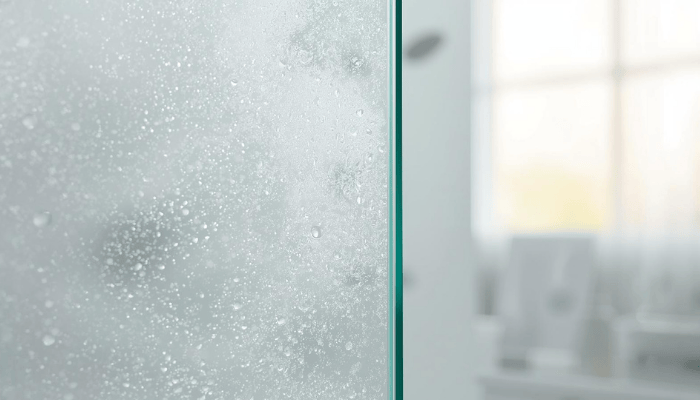
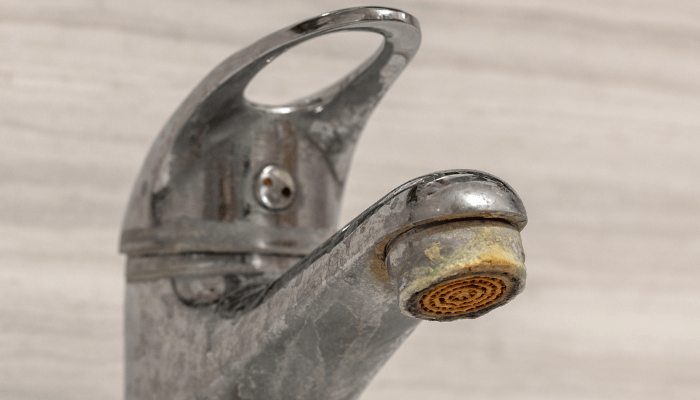
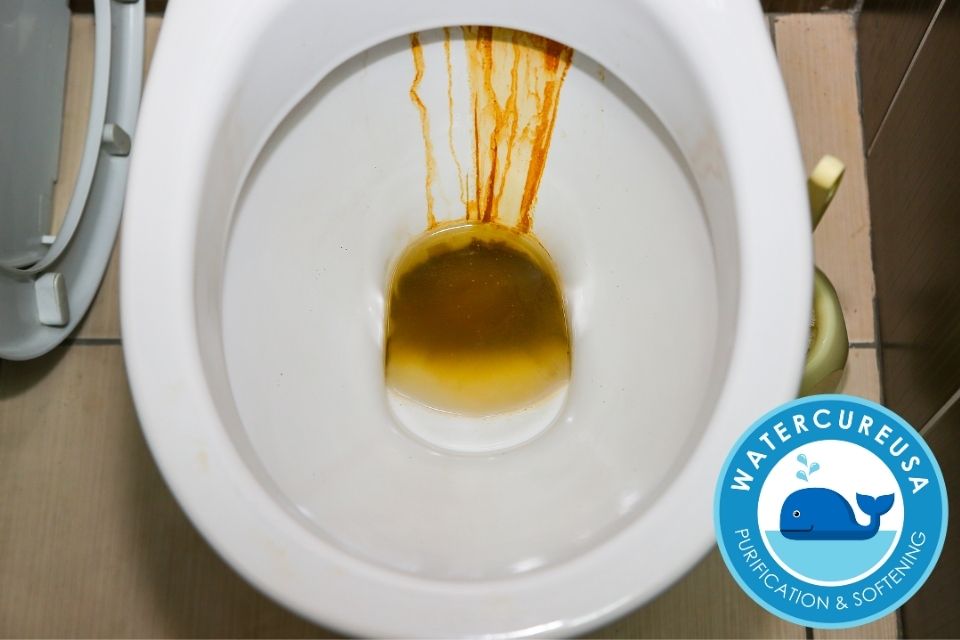
Water with 7–10+ GPG is considered hard to very hard. Much of the Buffalo-Rochester corridor falls squarely in this range, due to the region’s geology and proximity to the Great Lakes watershed. If you’ve ever noticed white crusty buildup around your faucets or a filmy residue on your shower walls, that’s the same mineral deposit affecting your hair every time you wash it.
What hard water does to your hair
When you wash your hair with hard water, the minerals don’t rinse away cleanly. Instead, calcium and magnesium ions bind to the proteins in your hair shaft and interfere with how your shampoo and conditioner work. Over time, this leads to a cascade of issues:
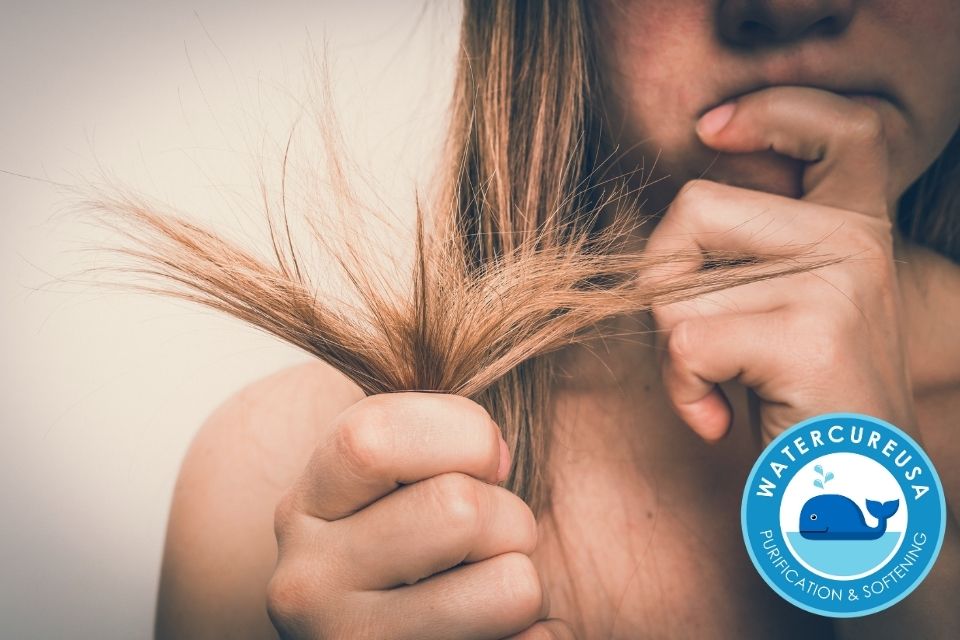
Dryness and brittleness
Mineral buildup coats the hair shaft and prevents moisture from penetrating — or escaping. Paradoxically, this makes hair feel both dry and weighed down at the same time. Strands become more prone to breakage, especially at the ends.
Dullness and lack of shine
Healthy hair reflects light because the outer cuticle layer lies flat. Hard water minerals roughen and lift that cuticle, scattering light instead of reflecting it. The result is hair that looks flat and lifeless, no matter how much product you use.
Scalp irritation and flakiness
The same mineral film that coats your hair also sits on your scalp, potentially clogging follicles and disrupting your skin’s natural pH. This can trigger or worsen dandruff, itchiness, and general scalp sensitivity.
Color fading faster than it should
If you color your hair, hard water is particularly damaging. The minerals can strip color more aggressively than soft water, causing your shade to fade within weeks rather than months — and potentially giving color-treated hair an unwanted brassy or orange tint.
Shampoo that won’t lather properly
Hard water reacts with the surfactants in shampoo and reduces their ability to foam. If you’ve ever felt like you need to use twice as much shampoo to get a decent lather, hard water is likely the reason.
Signs that your hair problems are caused by hard water
Not sure if hard water is the issue? Look for this pattern:
- Your hair feels great right after a haircut or when you wash it elsewhere (a hotel, a friend’s house, or when traveling)
- No amount of deep conditioning fully resolves the dryness
- You go through shampoo and conditioner faster than you’d expect
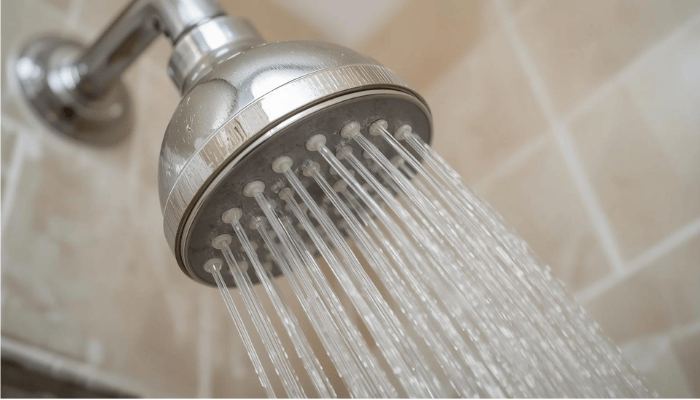
- You’ve noticed mineral deposits (white or yellow buildup) on your showerhead or faucets
- Hair color fades significantly faster than your stylist suggests it should
- Your scalp feels tight or itchy despite regular washing
If several of these sound familiar, your water is almost certainly a contributing factor.
How to confirm you have hard water
The most reliable way to know what’s in your water is to test it. WaterCureUSA offers free water quality testing throughout Western New York — including Buffalo, Rochester, and surrounding communities. A professional test will tell you exactly how hard your water is, along with any other contaminants that could be affecting your home.
You can also request a well water test if you’re on a private well, where hardness levels can vary significantly depending on your property’s geology.
What you can do about hard water and your hair
Short-term: clarifying treatments and filters
A clarifying shampoo used once a week can help dissolve mineral buildup from your hair shaft. Chelating shampoos — which contain ingredients specifically designed to bind to metals and minerals — are even more effective. A showerhead filter is another option that reduces mineral content at the point of use, though these vary widely in effectiveness and require regular cartridge replacement.
Long-term: a whole-home water softener
The most comprehensive solution is treating the water before it ever reaches your shower. A whole-home water softener system removes calcium and magnesium through a process called ion exchange, replacing them with sodium ions that don’t interfere with hair, skin, or appliances.
Customers who switch to softened water consistently report that their hair feels softer and more manageable within just a few weeks — without changing anything else about their routine. The same water that’s better for your hair is also better for your skin, your laundry, and the lifespan of your plumbing and appliances.
Ready to see what’s in your water?
WaterCureUSA has served Western New York since 1986. We offer free in-home water testing with no obligation — so you know exactly what you’re dealing with before making any decisions. Schedule your free test
Hard water is a genuine hair health issue, not just an aesthetic annoyance. For residents of Buffalo, Rochester, and Western New York — where hard water is the norm, not the exception — understanding the connection between your tap water and your hair is the first step toward actually fixing the problem.
If you’ve been fighting dryness, dullness, or scalp issues without results, the solution might not be a new product. It might be better water.